Press & Media
Press Kit
Assets


Images
Elly & Medy
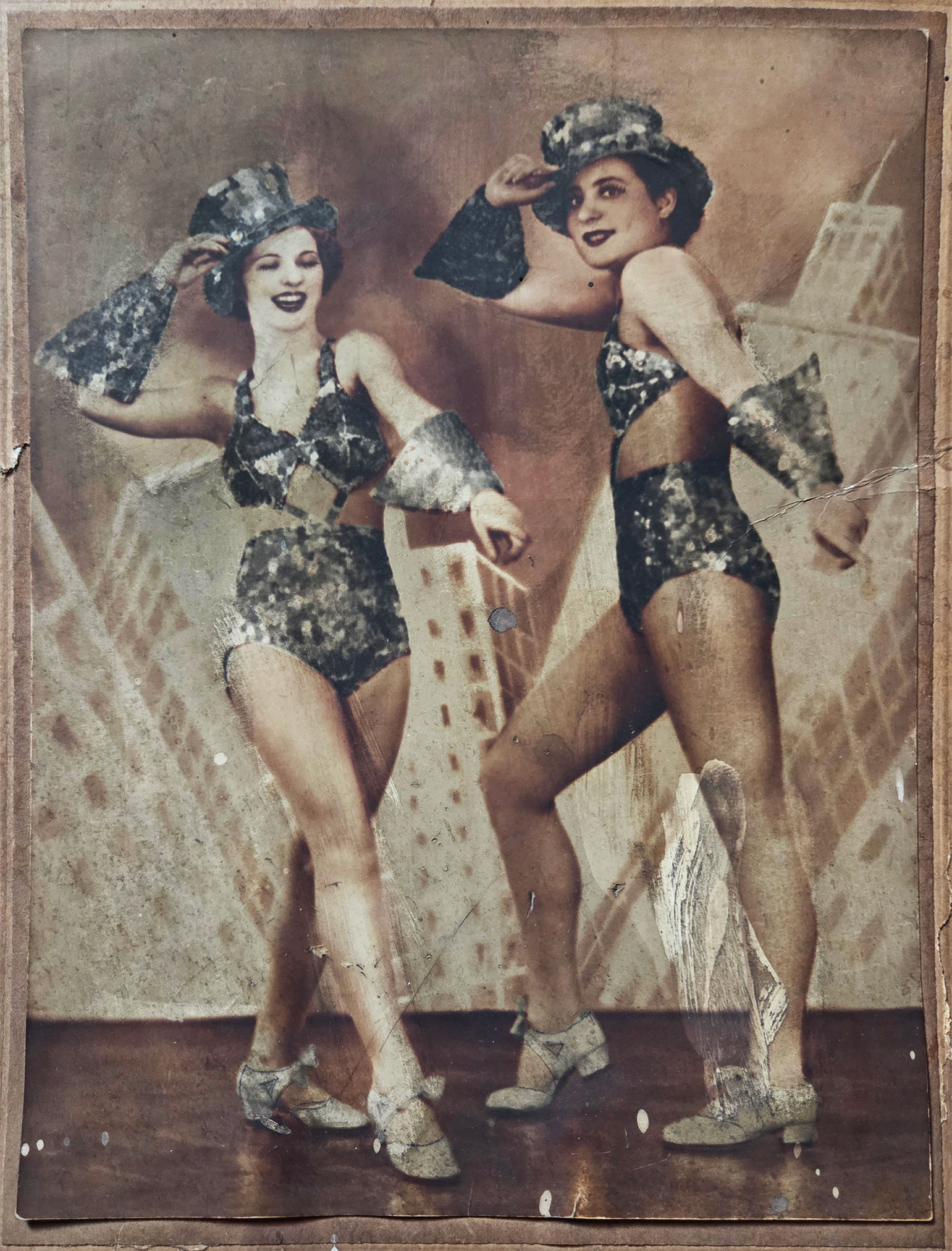
They called themselves Elly & Medy - and this is all what we know about them. © VaCiKa
The Garage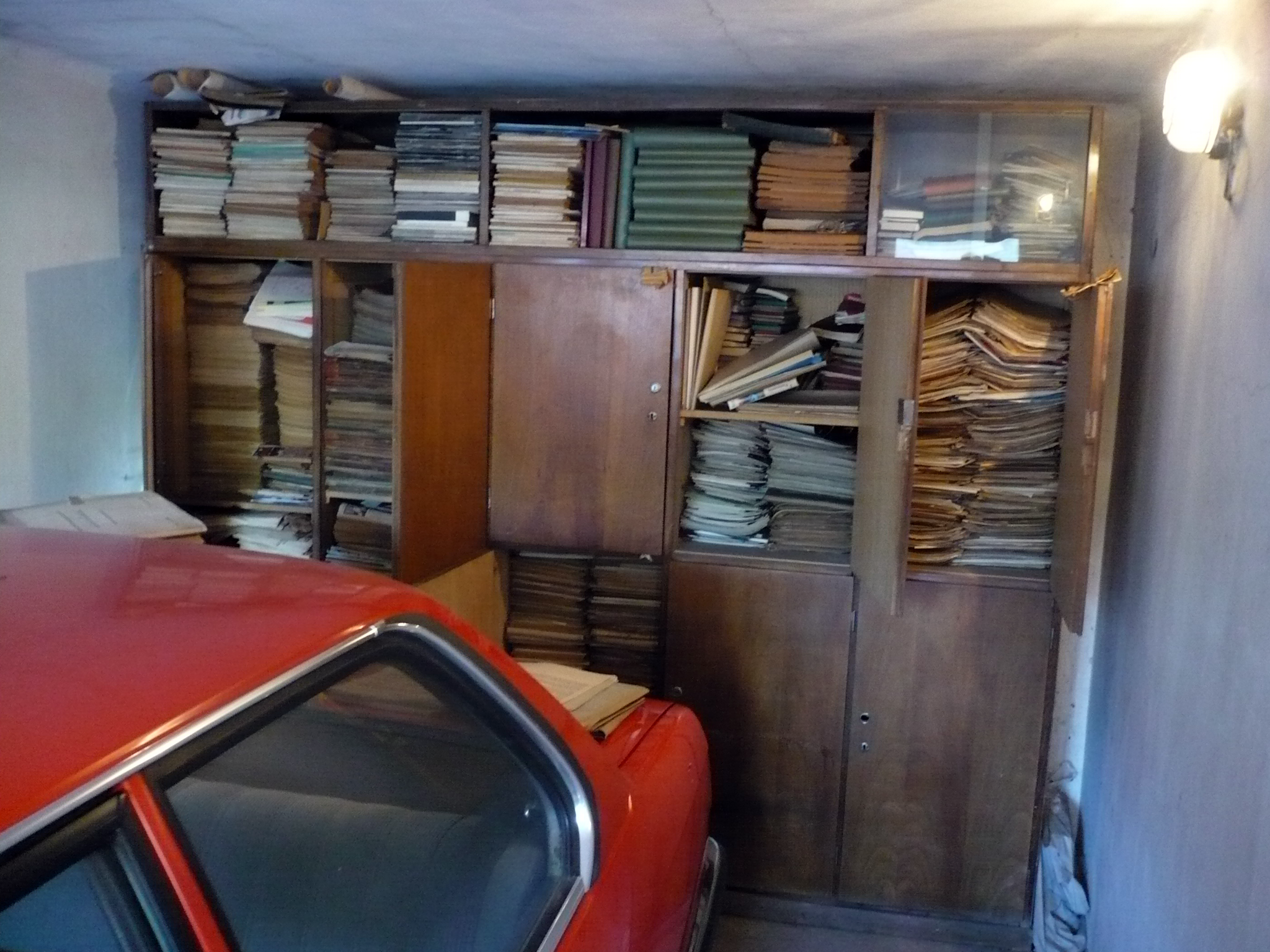
The winded up garage of the former artistic leader of the Hungarian Circus and Variety Company; stuffed with 60 years of entertainment memorabila. © VaCiKa
2 Argos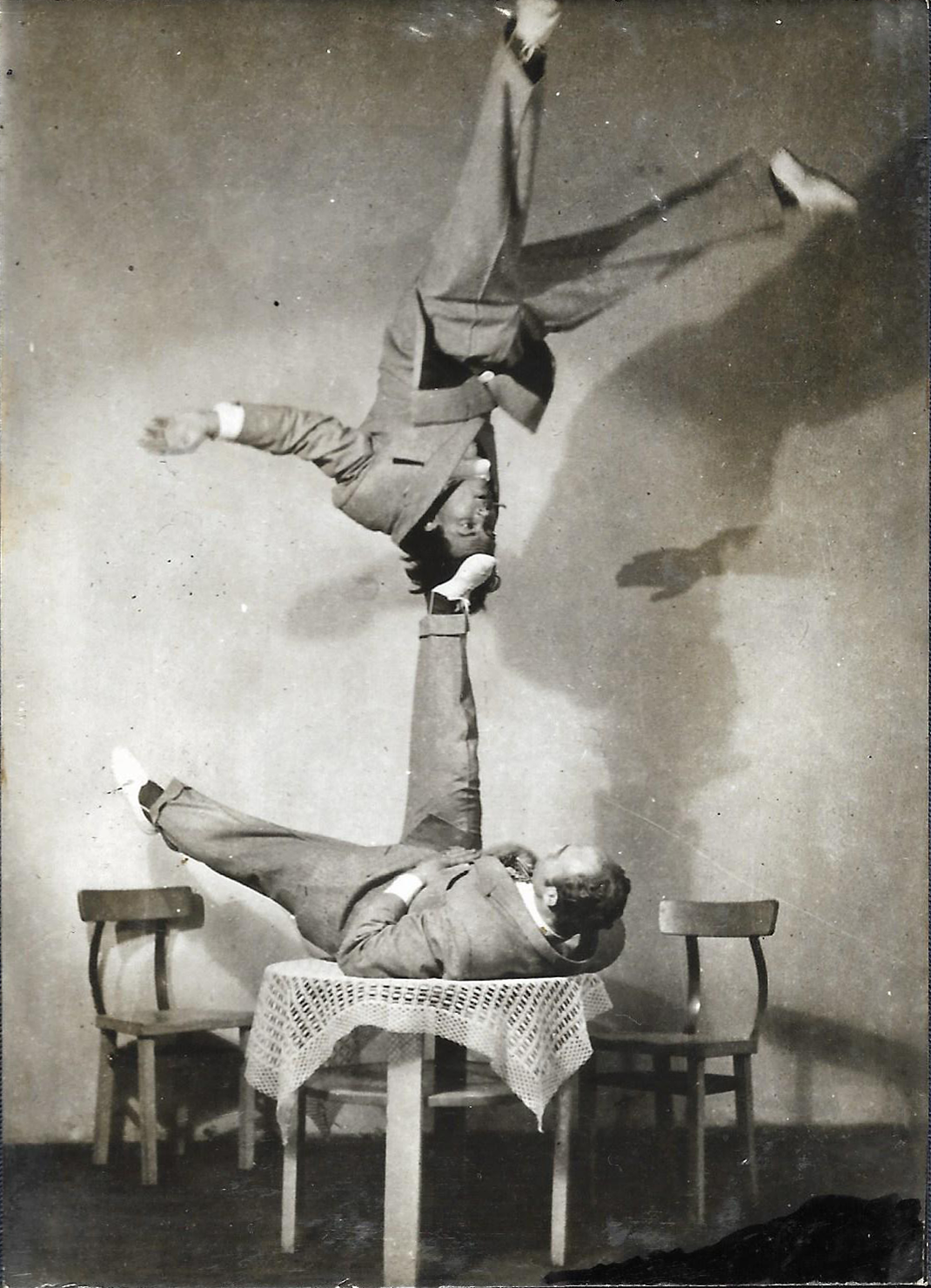
An acrobatic stunt by the 2 Argos around 1950. © VaCiKa
Project Description (50 words)
VaCiKa is an independent digital archive connecting scattered evidence of circus, variety and cabaret history. Purpose-built for this fluid field, it links performers, shows, venues, enterprises and sources across time and place, making neglected cultural heritage accessible while supporting research, discovery and collaboration with collectors, scholars and institutions worldwide.
Project Description (150 words)
VaCiKa is an independent digital archive dedicated to the history of circus, variety and cabaret. Popular entertainment often survives only in scattered traces: names in programmes, newspaper advertisements, playbills, photographs and private collections. VaCiKa brings this evidence together, linking performers, acts, shows, venues, enterprises and sources across time and place. These connections allow users to trace artistic careers, reconstruct programmes and explore how travelling companies and entertainers moved across borders. Purpose-built and hand-coded for the fluid structures of entertainment history, the archive addresses gaps left by conventional theatre catalogues. It makes endangered cultural heritage more accessible by combining historical information, source references and digitised visual materials from public and private collections. VaCiKa supports research and discovery while remaining open to collaboration with scholars, collectors, archives, museums and entertainment organisations. Contributions help expand the archive, reveal overlooked histories and preserve valuable evidence for future generations, researchers and wider audiences around the world.
Project Description (350 words)
Connecting the people, performances and places behind entertainment history
Much of the history of popular entertainment survives only in fragments: a name in a programme, a performance advertised in a newspaper, a photograph on a poster. VaCiKa brings these scattered traces together in an independent digital archive documenting entertainers, performances, venues and troupes through history.
By connecting these fragments, it makes possible to follow artists across time and space. Who performed where and when? What appeared on the programme of a particular venue? How did travelling companies and performers move across borders? Linking individual records and their sources, VaCiKa makes relationships visible that might otherwise remain hidden in isolated documents and collections.
Preserving a neglected cultural heritage
Show business and entertainment are significant parts of social and cultural history. Their performers reached audiences across geographical and social boundaries, yet their histories often remain overlooked or difficult to reconstruct. The documents that preserve these histories – playbills, programmes, photographs, newspaper advertisements and personal collections – are frequently dispersed, inaccessible or at risk of being lost. Theatre archives often decline to collect or catalogue materials from entertainment venues, and their databases rarely accommodate the varied, fluid structures of circus, music hall and cabaret. VaCiKa was purpose-built and hand-coded to meet this need.
VaCiKa seeks to make this endangered heritage more accessible by bringing together sources, references, digitised visual materials from public and private collections. Rather than simply preserving isolated documents, the project aims to establish connections between them and provide a foundation for further research and discovery.
An independent research initiative
VaCiKa is an independent digital archive and research initiative open to collaboration with researchers, collectors, archives, museums and entertainment organisations. Contributions of documents, historical information and source references help expand the archive and bring previously undocumented aspects of entertainment history to light.
Whether tracing a forgotten performer, exploring the programme of a historic venue or investigating the circulation of travelling companies, VaCiKa offers a growing resource for anyone interested in the history of circus, variety and cabaret.